

This post may contain affiliate links. Please see our disclosure policy.
This Lobster Bisque Recipe is rich, buttery, and silky smooth – the kind that makes you close your eyes after the first spoonful. We’re sautéing chopped lobster in garlic butter first, then blending everything into the most luxurious, creamy soup. It’s elegant, cozy, and tastes like you ordered it at a fancy restaurant… but you made it in your kitchen.

If you’ve ever ordered lobster bisque at a restaurant and thought, there’s no way I could make this at home… I promise you can.
We’re building flavor the right way, starting with lobster sautéed in garlic butter and layering in aromatics, wine, and cream. It turns into the silkiest, most luxurious soup that tastes elegant but still feels cozy and comforting. This is the kind of recipe that makes you feel proud when you set the bowl down on the table.
It’s perfect for Valentine’s Day or the holidays when you want to flex a little bit. Plus, bonus? It tastes even better the next day.
Lobster Bisque At A Glance
- 🥒 Prep Time: 20 mins
- 🦞 Cook Time: 1 hour
- 🕛Ready In: 1 hour 20 mins
- 👥Serves: 6
- 🔥 Cook Method: Sauté. Simmer. Blend. Cream. Serve. 🦞
- 🥣Flavor Profile: Buttery, silky, rich, delicate
- ⭐Difficulty: Moderate
Summarize & Save this Content on:
And if you love this soup recipe, be sure to try my she crab soup with sherry, butter poached lobster and seafood gumbo!
Table of Contents
Key Ingredients

(full list of ingredients can be found in the recipe card)
Lobster Tails: I prefer using frozen or fresh lobster tails as opposed to breaking down the whole live lobster. It’s easier to work with and cuts prep time in half (no pun intended). Pro tip: if you have time, save the lobster shells and make your own lobster stock. You can use it in any seafood recipe, including this lobster bisque recipe or boiling the noodles for lobster mac and cheese for that rich lobster flavor.
Seafood Stock (but chicken stock works here too) builds the base flavor and enhances the shellfish notes without making the soup taste fishy.
Heavy Cream creates that signature silky, creamy texture and rich flavor. It also softens the acidity from the wine and brandy.
Mirepoix consisting of carrots, shallots, and celery. These
Fresh Thyme and Tarragon
Dry White Wine and Brandy: wine lifts the flavors and the brandy brings warmth and richness that makes the bisque taste layered and refined. I recommend using pinot grigio or unoaked chardonnay. You can also use
For seasonings: we’re incorporating smoked paprika, cayenne pepper, and a little nutmeg (it’s one of my secret ingredients for a super flavorful broth).
Substitutions
Dairy Free: Use full fat coconut milk in place of heavy cream for a dairy free option.
Alcohol Free: use more seafood, chicken, or vegetable stock in place of the white wine and brandy.
Seafood stock: if you can’t find seafood stock, you can use clam juice in its place.
How To Make Lobster Bisque
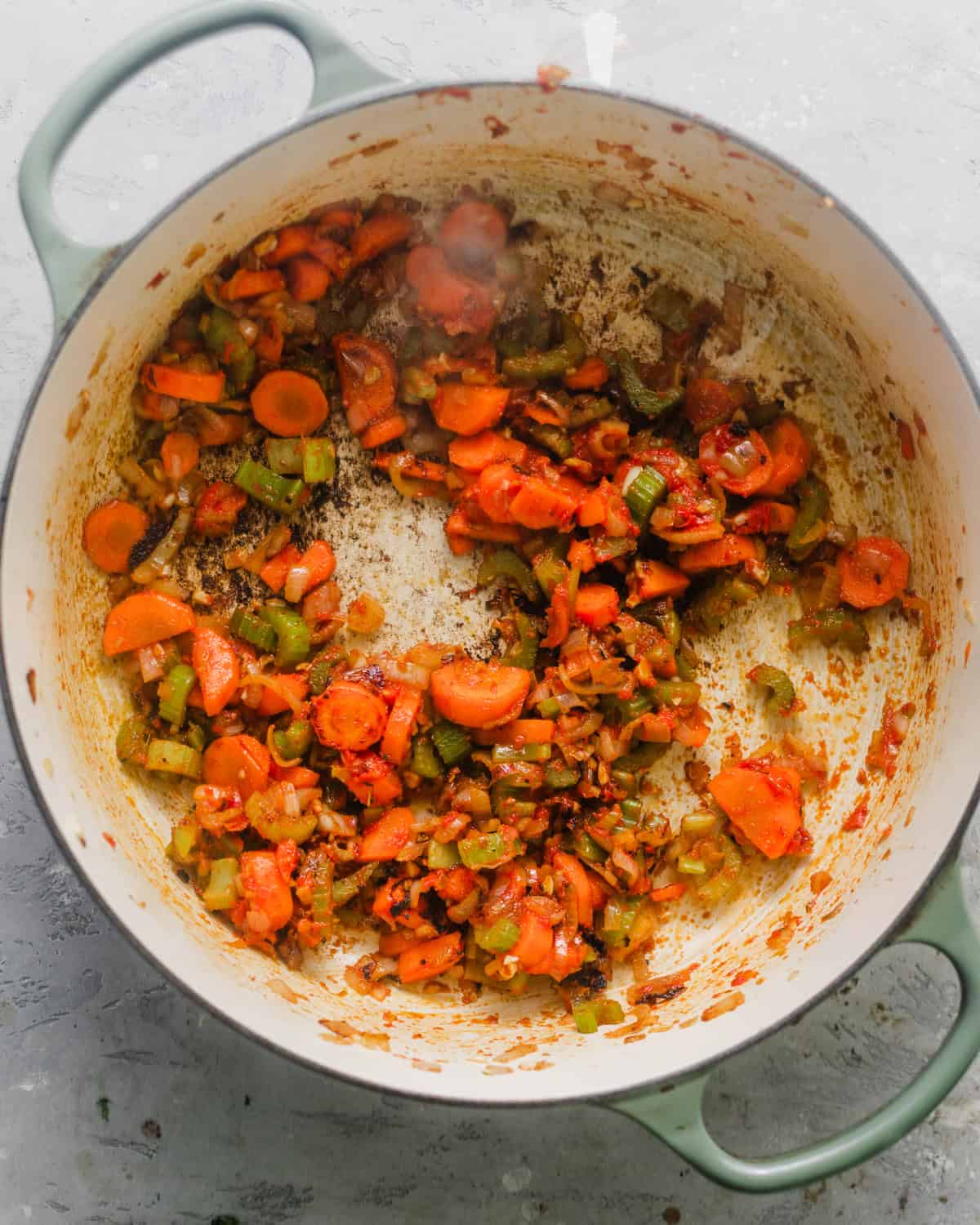
Step 1: Build the bisque base: sauté shallots, carrots, and celery until softened, then add tomato paste, garlic, chicken bouillon, and seasonings. Pour in white wine and brandy. Deglaze the pot and cook off the alcohol, then add seafood stock and bay leaves. Bring to a boil and simmer for 30 minutes.
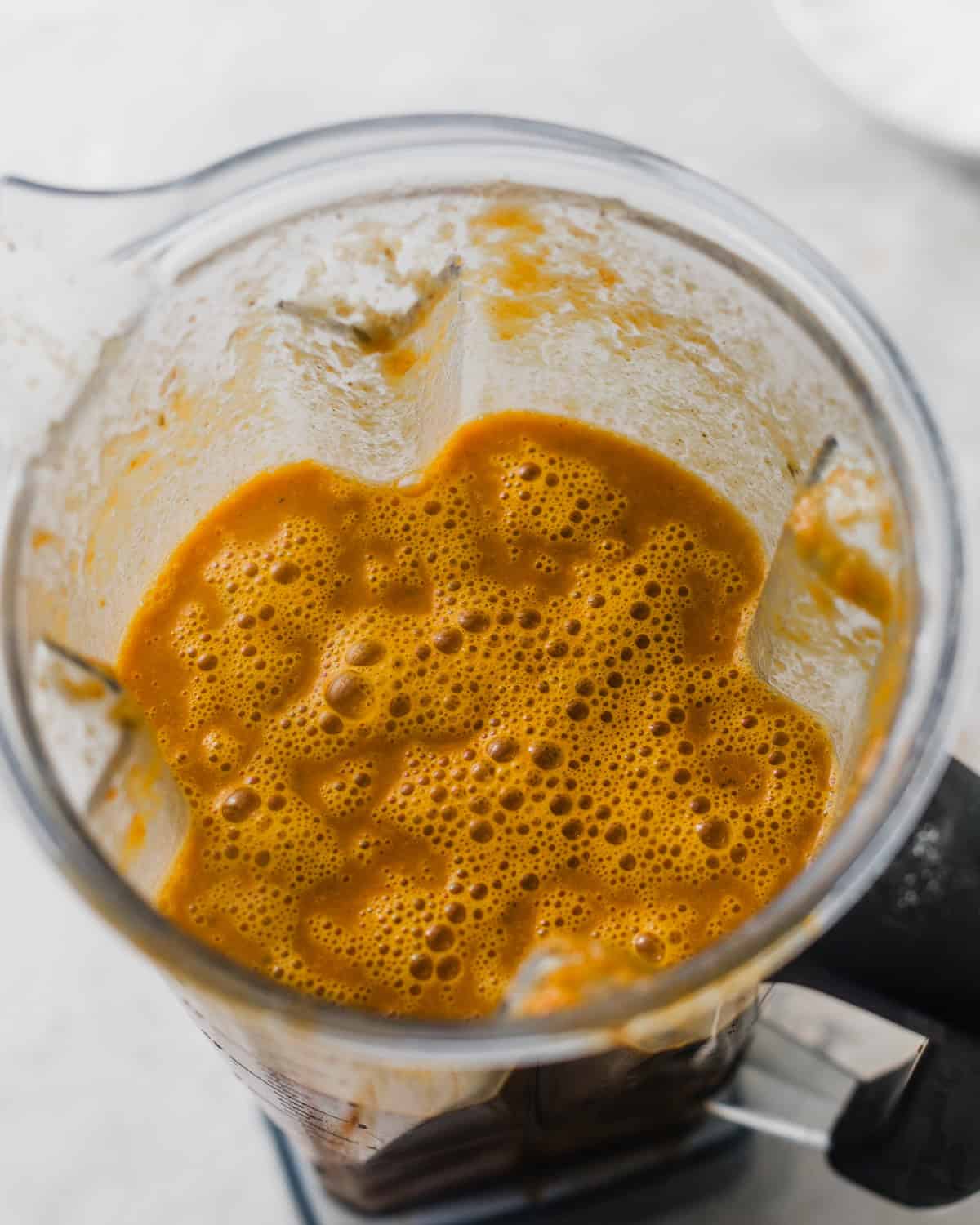
Step 2: Blend the bisque until smooth: Remove herbs and bay leaves and pour into a food processor or blender to blend until smooth. Press through a fine mesh strainer back into the pot.
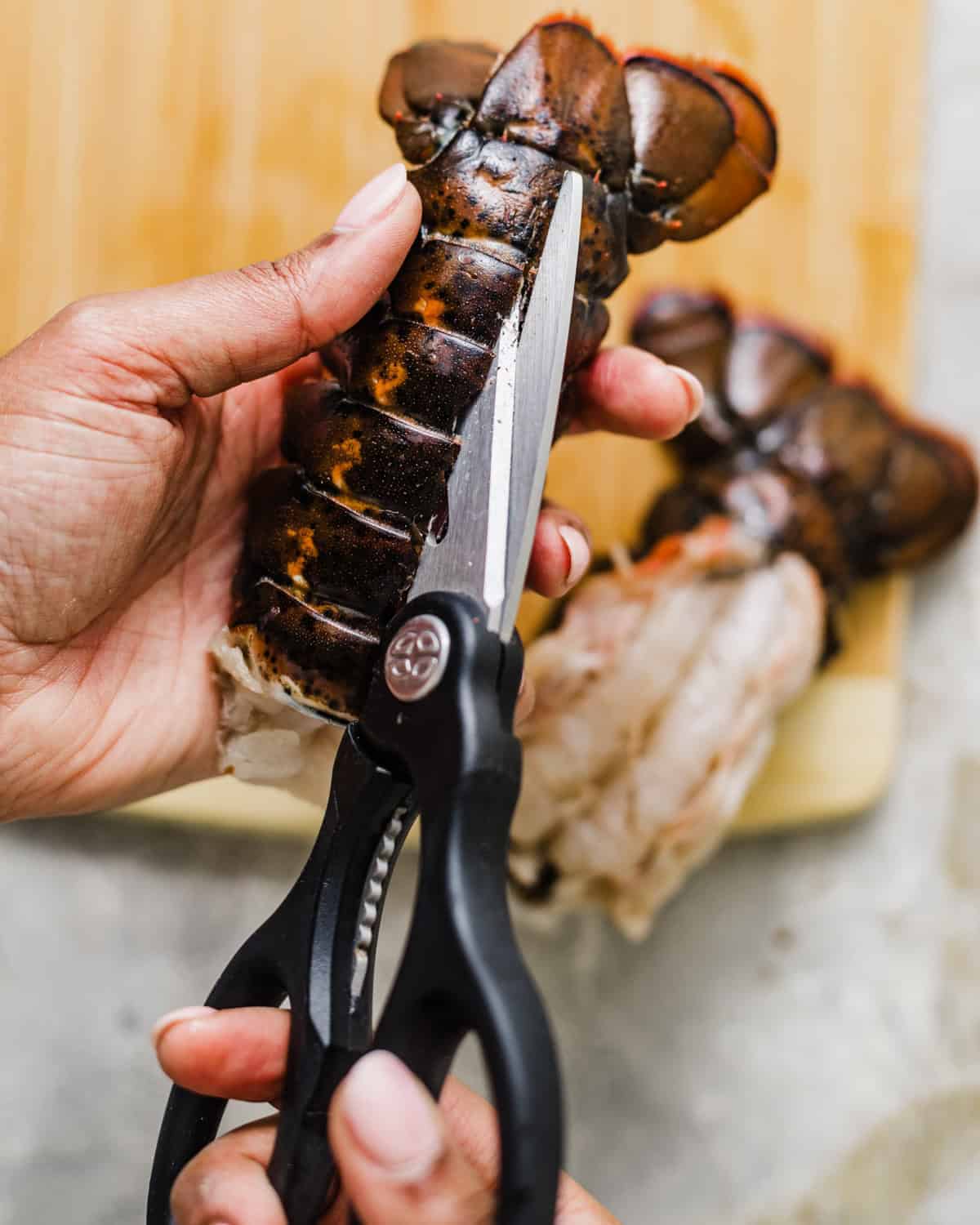
Step 3: Prep the Lobster: Use kitchen shears to cut the lobster shell and remove the lobster meat. Roughly chop the meat into bite-sized pieces.
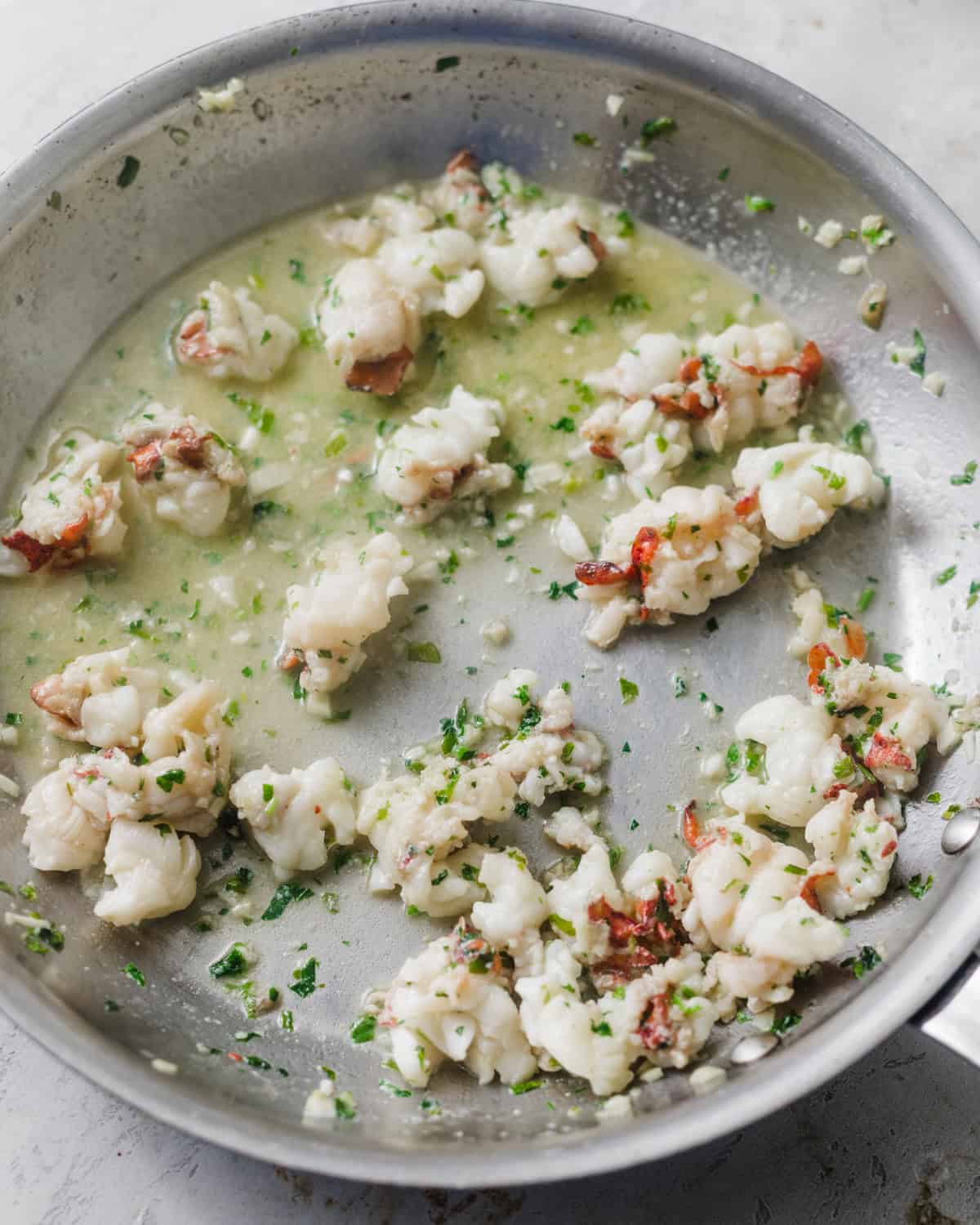
Step 4: Sauté the Lobster in Garlic Butter: Melt butter in a large pot over medium heat and sauté minced garlic until fragrant but not browned. Add the chopped lobster and cook just until opaque, then remove and set aside to keep it tender.
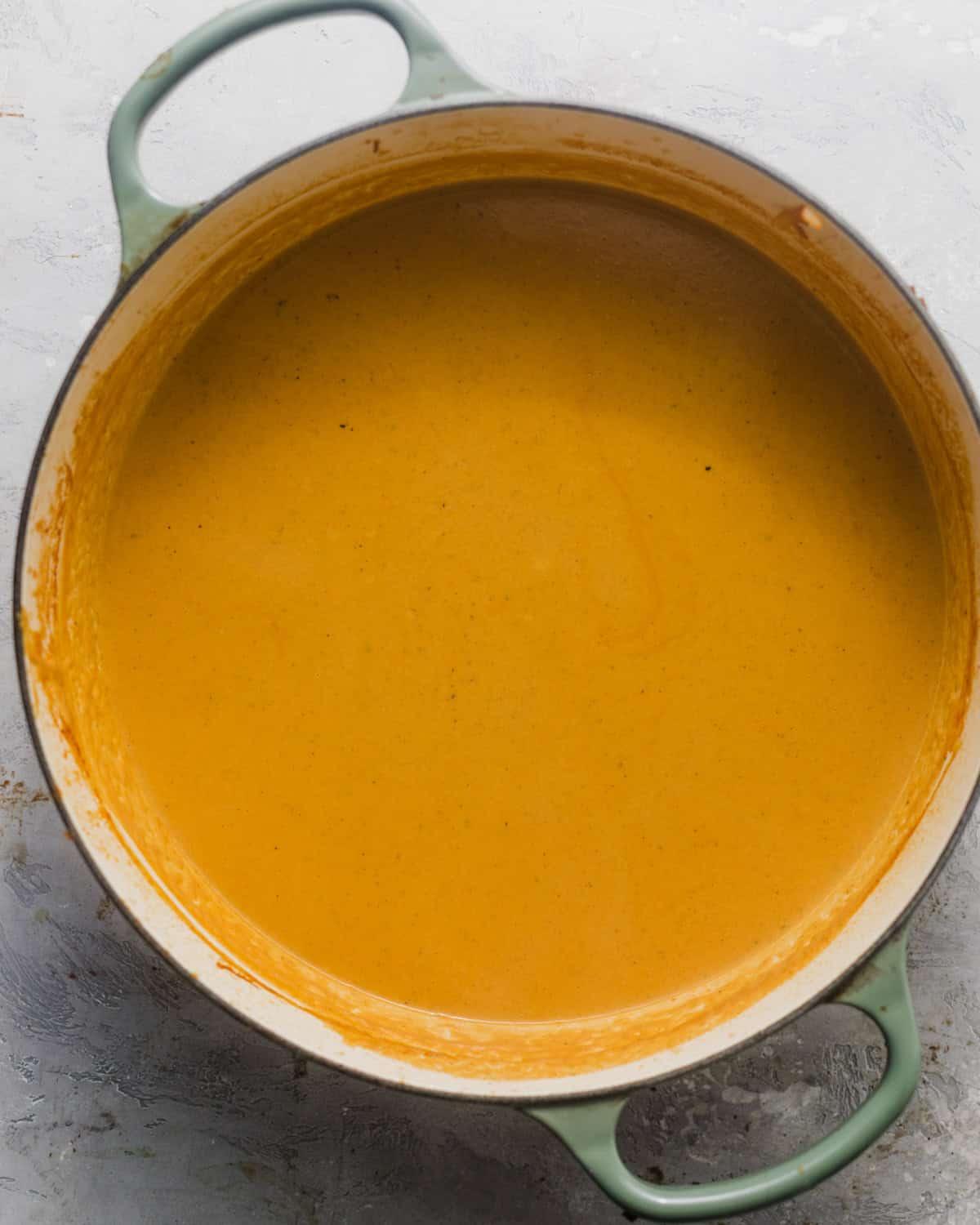
Step 5: Finish with cream and lobster: Stir in heavy cream, cornstarch slurry, and cook until thickened. Return the sautéed lobster to the pot. Adjust seasoning with salt, pepper, and a squeeze of lemon juice or dry sherry vinegar before serving warm.
Chef’s Tips
- Let It Rest Before Serving: Bisque tastes even better after sitting for 20–30 minutes off heat. The flavors settle and deepen, and the texture thickens slightly.
- Don’t Overcook the Lobster. Sauté it just until opaque, then pull it out. It will finish warming in the cream later. Overcooked lobster turns rubbery fast and we do not play that game.
- Sweat, Don’t Brown, the Aromatics: Keep the heat moderate when cooking the shallots, carrots, and celery. You want them soft and sweet, not browned. Browning shifts the flavor profile too savory and muddy.
- Deglaze Properly: When you add wine and brandy, scrape every browned bit from the bottom of the pot. That’s pure flavor! Leaving it behind is basically leaving money on the table.
- If it’s too thin, simmer gently to reduce. If it’s too thick, thin with warm stock (never water) so you don’t dilute flavor.
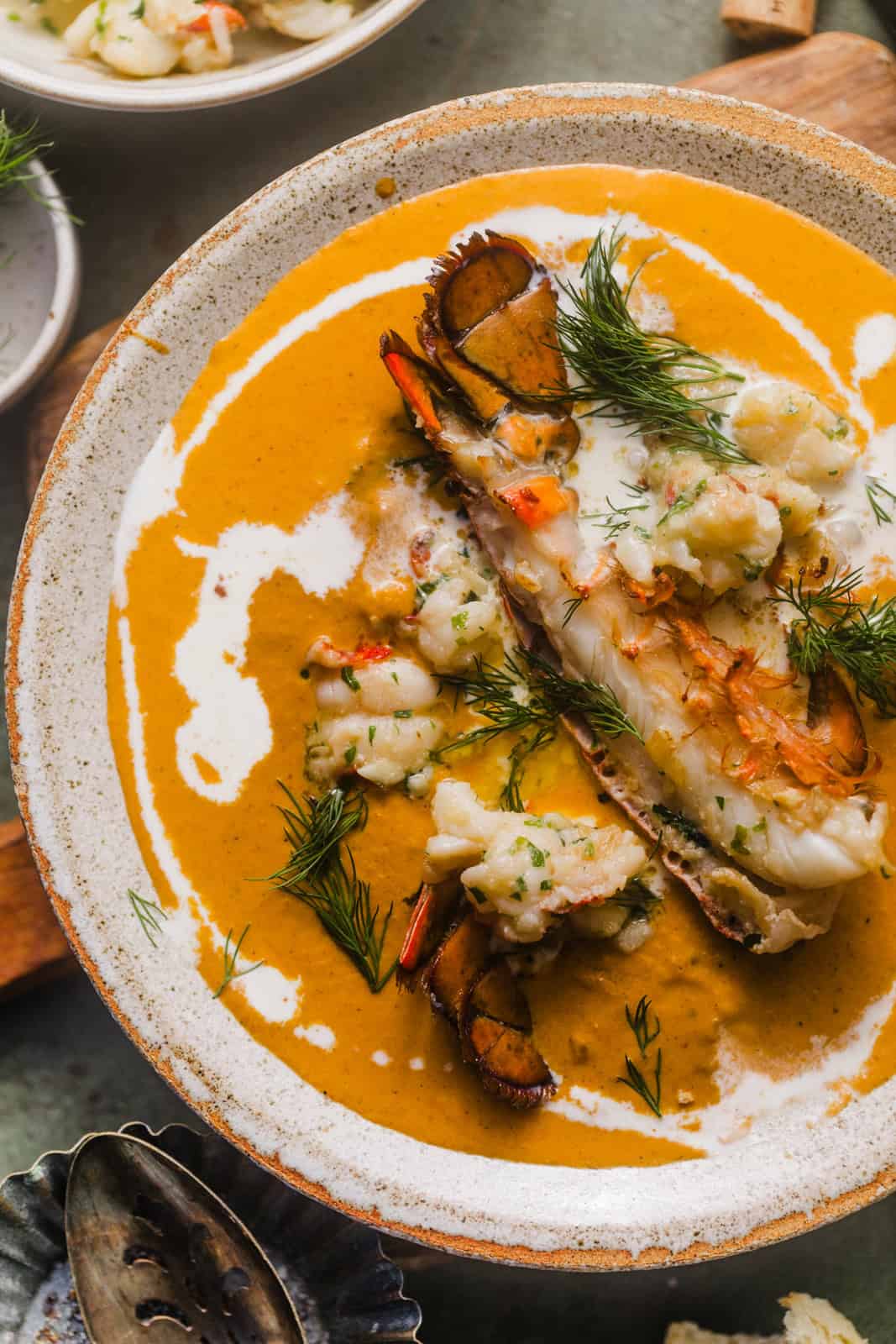
Serving Lobster Bisque
Lobster bisque is rich and velvety, so I like to serve it with something that adds a little contrast and texture. A warm, crusty french bread or buttery garlic bread is perfect for dipping and soaking up every last spoonful. If you want to keep it light, a simple crisp salad balances the creaminess beautifully.
For something a little more indulgent, serve it as a starter before steak au poivre, roasted chicken, or seafood pasta for a full-on fancy restaurant experience.
Recipe FAQs
Yes you can! It’s a great shortcut if you don’t feel like wrestling with the lobster shells. Just chop it and gently warm it in garlic butter for 1–2 minutes max. You’re not cooking it again, just warming it up and adding flavor.
Lobster soup is a broad term that can refer to anything from a light, broth-based soup to a creamy, chunky version with vegetables and lobster pieces. Lobster bisque is more specific. It’s traditionally smooth, strained, and enriched with cream for a silky, velvety texture. In short, bisque is the refined, elegant version of lobster soup.
Yes! In fact, it tastes even better the next day. Store it in the refrigerator for up to 3 days and gently reheat on the stovetop over low heat.
You can, but keep in mind that cream-based soups may separate slightly when thawed. Pour into a freezer-safe container and store for up to 3 months. Reheat slowly and whisk well to bring it back together.
More Seafood Dishes

Seafood Recipes
Butter Poached Lobster

Seafood Recipes
Baked Lobster Tails with Garlic Butter Sauce

Main Course
Seafood Boil Recipe with Garlic Butter Sauce

Main Course
Cajun Seafood Gumbo
Want more delicious and beautiful recipes? Subscribe to my newsletter to receive the latest seasonal creations as soon as they’re released!
If you make this recipe, please leave a star rating on the recipe card and comment below! You can also tag @BritneyBreaksBread on Instagram and hashtag #britneybreaksbread so I can celebrate your beautiful creations!
Creamy Lobster Bisque Recipe

Equipment
- Skillet
- Large Pot
- Kitchen Shears
- Blender or Immersion Blender (you can also use a large food processor)
- Fine Mesh Sieve/Strainer
Ingredients
- 2 lbs Lobster Tails, (frozen or fresh)
- 4 tbsp Salted Butter
- 6 cloves Garlic, (diced)
- 1 tbsp Fresh Parsley, (diced)
- 2 tbsp Olive Oil
- 2 Whole Shallots, (diced)
- 2 Carrots, (peeled)
- 2 Celery Stalks, (diced)
- 1 tbsp Tomato Paste
- 1 tsp Chicken Bouillon
- 1 tsp Smoked Paprika
- 1/4 tsp Cayenne Pepper
- 1/8 tsp Nutmeg
- 1 tsp Black Pepper
- 1 cup (240 ml) White Wine
- 1/2 cup (120 ml) Brandy
- 4 cups Seafood Stock, (or chicken stock)
- 2 Bay Leaves
- 3 sprigs Thyme
- 3 sprigs Tarragon, (optional)
- Parmesan Rind, (optional)
- 1 1/2 cups (360 ml) Heavy Cream
- 2 tbsp (30 ml) Lemon Juice
- Optional toppings: fresh dill, additional drizzle of cream, and a dash of Old Bay Seasoning
Instructions
- Sprinkle olive oil into a large pot over medium heat. Add shallots, carrots, and celery. Cook for 5 minutes, until slightly softened and fragrant – we're just sweating the vegetables, we don't want to brown them as this will overpower the flavor of the soup. 2 tbsp Olive Oil 2 Whole Shallots 2 Carrots 2 Celery Stalks
- After 5 minutes, sprinkle with salt and pepper to taste, then add tomato paste, chicken bouillon, smoked paprika, cayenne pepper, and nutmeg and continue to cook for 3-4 minutes, stirring frequently, until the tomato paste deepens in color. 1 tbsp Tomato Paste 1 tsp Chicken Bouillon 1 tsp Smoked Paprika 1/4 tsp Cayenne Pepper 1/8 tsp Nutmeg 1 tsp Black Pepper
- Pour in white wine and brandy and use a wooden spoon to scrape the browned bits off of the bottom of the pan (deglaze the pan). Continue to cook for 5 minutes to cook off some of the alcohol, then pour in the seafood stock and add bay leaves, fresh thyme, tarragon, and parmesan rind (if using). 1 cup White Wine 1/2 cup Brandy 4 cups Seafood Stock 2 Bay Leaves 3 sprigs Thyme 3 sprigs Tarragon Parmesan Rind
- Bring to a boil, then reduce stove to low heat, cover with a lid simmer for 20 minutes. Then remove the lid and continue to simmer for another 15 minutes.
- While the bisque is simmering, cook the lobster. Remove the lobster from the shell. Use kitchen shears to cut straight down the middle of the underside of the lobster shell. Then cut the middle of the top of the shell. Crack open the shell and gently remove the meat. If you see a black vein in the center of the lobster tail, make a small slit and pull it out. Pat the lobster dry with a paper towel and cut into small 1 inch pieces. Sprinkle with a pinch of salt. 2 lbs Lobster Tails
- In a medium skillet, melt butter over medium heat. Add diced garlic and lobster chunks. Cook for about 3-4 minutes, until the meat is opaque and pigmented part has turned a deep orange color. Add in parsley, toss together, and remove from the heat and place lobster onto a plate. 4 tbsp Salted Butter 6 cloves Garlic 1 tbsp Fresh Parsley
- Pour in the remaining liquids from the skillet that the lobster was cooked into the pot – this really enhances that sweet lobster flavor. Stir together and remove the thyme, bay leaves, and tarragon and pour into a blender (you can also use an immersion blender if you have it). Blend until smooth, then strain through a fine mesh sieve/strainer back into the pot over medium low heat. Press everything through the sieve to get as much liquid as possible.
- Add heavy cream and continue to cook until desired texture is reached (this was about 15 minutes for me but I like my bisque really thick so cook until it's the consistency you prefer). 1 1/2 cups Heavy Cream
- Stir in lemon juice and taste for salt and pepper. Adjust as needed. Stir in about half of the cooked lobster chunks and remove from heat. 2 tbsp Lemon Juice
- Pour the soup into serving bowls and garnish with the remainder of the lobster. I like to top with a drizzle of extra cream and fresh dill and a dash of old bay (totally optional but highly recommended). Optional toppings: fresh dill, additional drizzle of cream, and a dash of Old Bay Seasoning
Notes
- Don’t Overcook the Lobster. Sauté it just until opaque, then pull it out. It will finish warming in the cream later. Overcooked lobster turns rubbery fast and we do not play that game.
- Sweat, Don’t Brown, the Aromatics: Keep the heat moderate when cooking the shallots, carrots, and celery. You want them soft and sweet, not browned. Browning shifts the flavor profile too savory and muddy.
- Deglaze Properly: When you add wine and brandy, scrape every browned bit from the bottom of the pot. That’s pure flavor! Leaving it behind is basically leaving money on the table.
- If it’s too thin, simmer gently to reduce. If it’s too thick, thin with warm stock (never water) so you don’t dilute flavor.
- Let It Rest Before Serving: Bisque tastes even better after sitting for 20–30 minutes off heat. The flavors settle and deepen, and the texture thickens slightly.
Nutrition
Nutrition information is automatically calculated, so should only be used as an approximation.



Made this exactly as written and it came out great. I’m really glad this didn’t require me to use the lobster shells to make a broth, it’s so time consuming. I will make it again as it was easy and quite delicious.