

This post may contain affiliate links. Please see our disclosure policy.
This Lemon Rosemary Olive Oil Cake is packed with the vibrant flavors of citrus, fragrant rosemary, and the smoothness of olive oil to create a dessert that is unforgettable. It’s topped with a light rosemary and lemon syrup and a touch of powdered sugar, making each bite is moist and flavorful.
For more lemon desserts, try lemon pound cake loaf, lemon blueberry cake, and lemon raspberry cupcakes.

There are few things that come close to the unexpected flavor pairings of lemon and rosemary. The bright citrusy flavor mixed with the fragrant, earthy rosemary is truly out of this world!
And then there’s there incredible lemon rosemary olive oil cake. It’s soft, moist, bursting with lemon flavor with the perfect balance of hints of rosemary that compliment the lemon oh so well.
This cake is VERY simple to make and the batter comes together in about 10 minutes. Then there’s a simple rosemary syrup that’s brushed on top with a dash of powdered sugar. That’s it.
Simple and delicious – it gets no better than this.
Table of Contents
Why You’ll Love this Recipe
- Easy cake recipe! No stand mixer or hand mixer required! Don’t worry about dealing with whisk attachment or cleaning up a bunch of dishes, all you need are a large mixing bowl, a saucepan, and a springform pan for this olive oil cake recipe!
- Versatile treat! This dish is amazing with a cup of coffee for breakfast and just as delicious with a scoop of ice cream for dessert!
- Soft and moist texture! This cake has the most beautiful texture that’s so moist it melts in your mouth!
- Easily customizable! You can use extra lemon zest or extra rosemary to enhance the flavor of the cake! You can also make this cake dairy free, gluten free, and vegan with a few swaps (listed below).
Lemon Olive Oil Cake Ingredients

- Quality olive oil – use a high quality extra virgin olive oil to truly get that flavor of olive oil in every bite. I used Corto olive oil for its beautiful earthy and full-bodied olive flavor. Use leftovers to make my lemon poppyseed cake!
- Fresh Rosemary – use fresh rosemary for the best rosemary flavor. Avoid using dried rosemary, the flavor will be too strong.
- Fresh Lemons – use the lemons for both lemon zest and fresh lemon juice. If you can a find meyer lemon, you can use those for a more blended citrus flavor.
- Large Eggs – make sure that the eggs are at room temperature.
- Sugar
- Buttermilk
- Dry ingredients – flour, ground ginger (to enhance the lemon flavor), baking powder, baking soda, and a little kosher salt.
Recipe Substitutions
- Dairy-free option: use your favorite dairy free milk and add a tablespoon of vinegar or apple cider vinegar to replace the buttermilk.
- Vegan option: use the dairy free option to replace the buttermilk and also use flax eggs in place of regular eggs.
- Gluten-free option: use a 1-to-1 gluten free flour to replace the all purpose flour.
How to make Olive Oil Cake
- Preheat the oven to 350 degrees F. Spray a 9-inch springform pan with nonstick baking spray and set aside.
- Combine flour, baking powder, baking soda, kosher salt, and ground ginger in a large bowl. Whisk together and set aside.

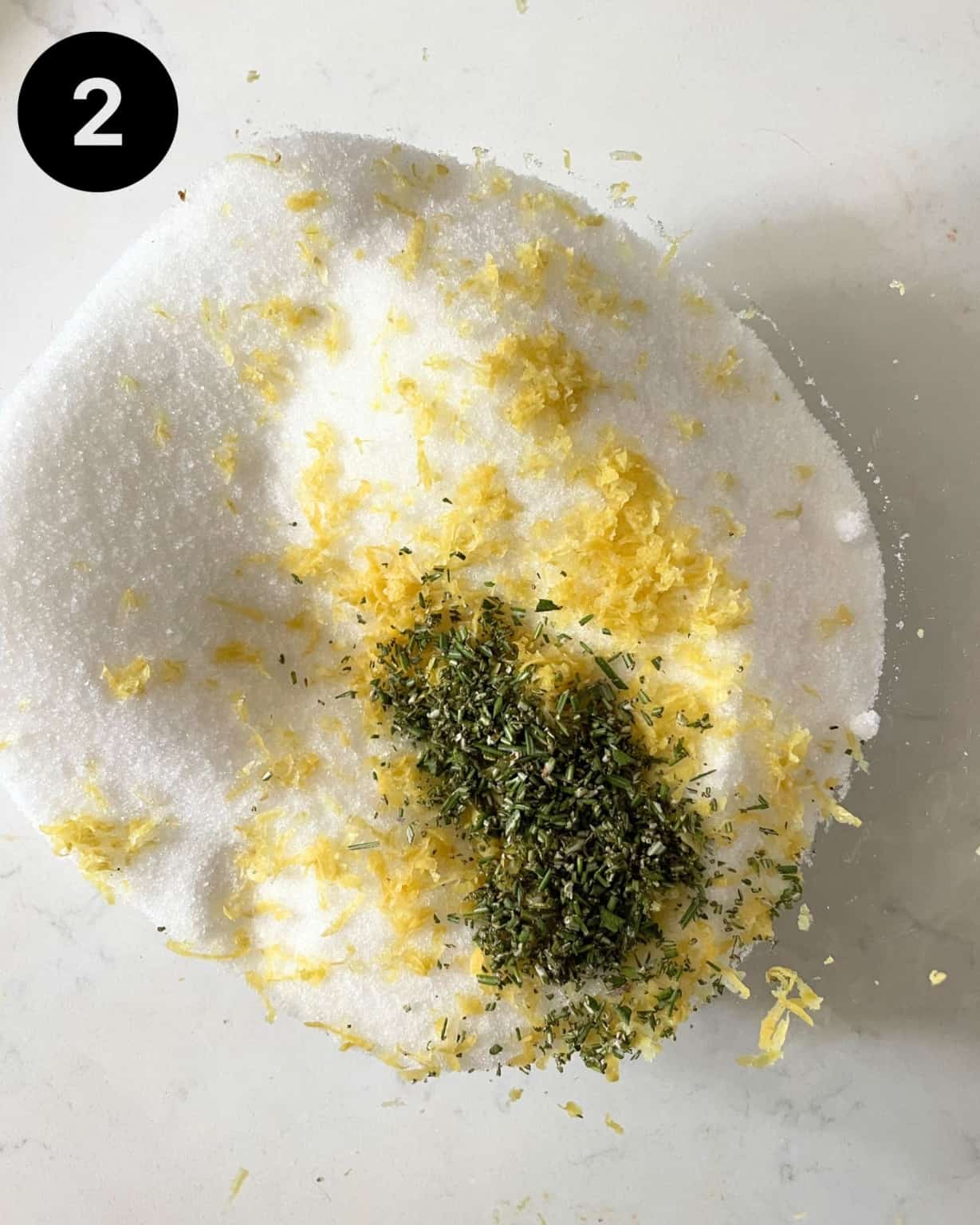
- In a separate bowl, combine chopped rosemary, lemon zest, and sugar. Use your fingers to rub everything together to infuse the oils of the lemon and rosemary into the sugar. Do this for 3-5 minutes, until the sugar is fragrant and slightly yellow.
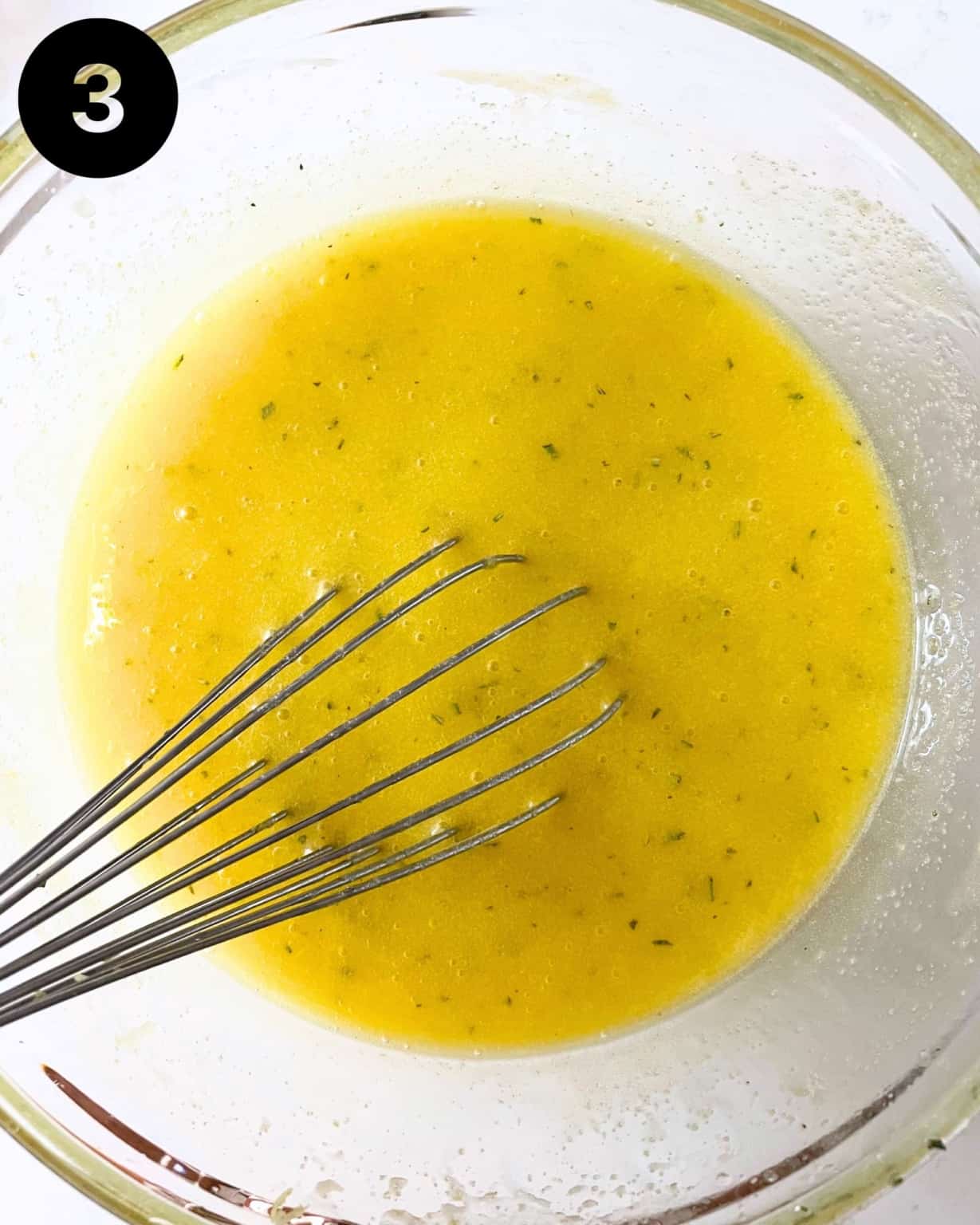
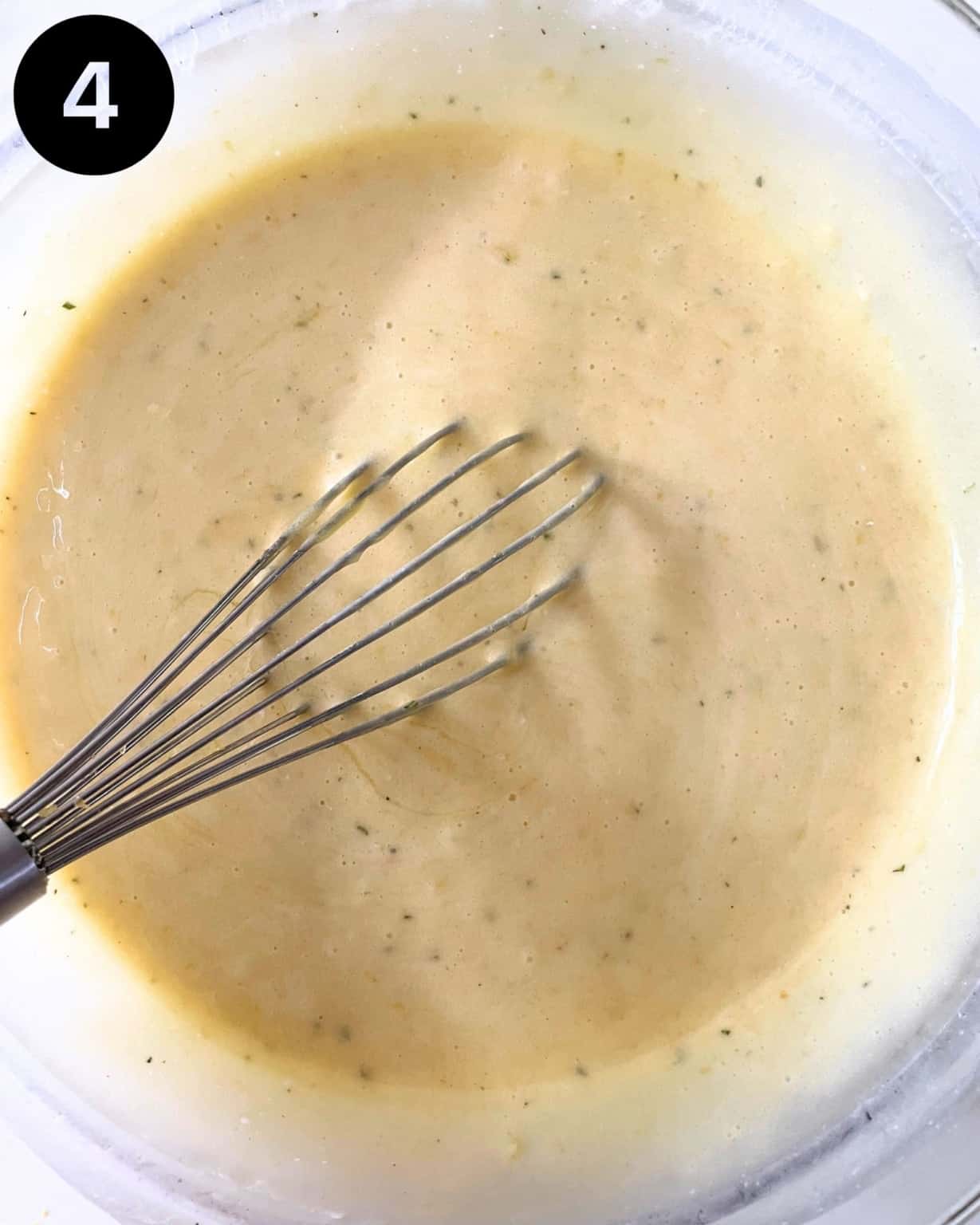
- Add the wet ingredients. Pour olive oil, room temperature eggs, and lemon juice to the sugar mixture and whisk for 3-5 minutes, until everything is fully incorporated. Then add half of the dry ingredients and mix together. Pour in the buttermilk, then the remaining half of the dry ingredients.
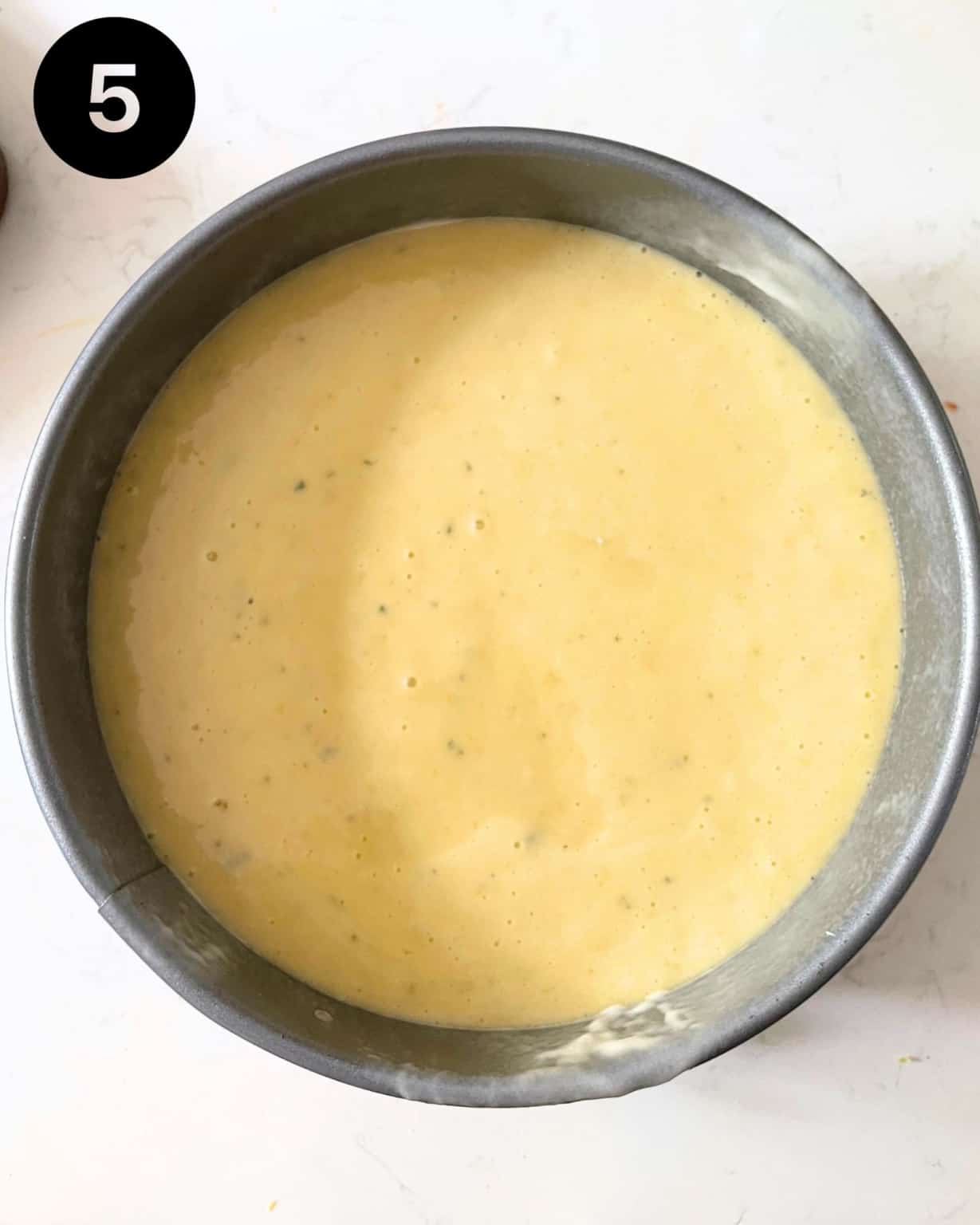
- Pour batter into the prepared cake pan and bake for one hour, until the top is golden brown.
- While the cake is baking, prepare the rosemary lemon simple syrup. Add sugar, water, 2 sprigs of rosemary, and lemon peels to a small saucepan over medium low heat, stirring occasionally, about 5-10 minutes. Remove the heat and take out the rosemary and lemon peels. Add lemon juice and whisk together slowly. Set aside to cool.
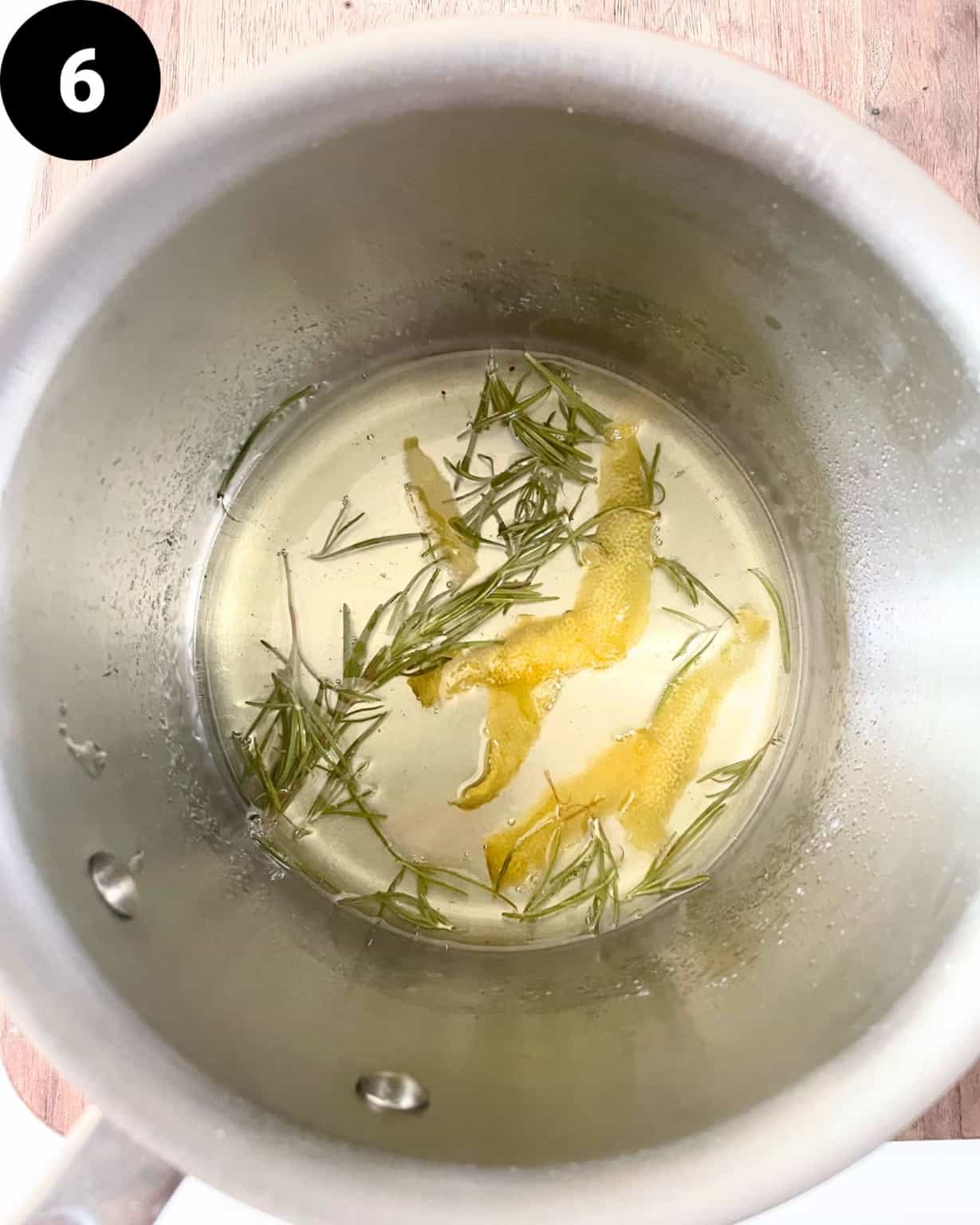
- Once the cake is finished baking, remove from the oven and brush the top of the cake with the rosemary lemon simple syrup then allow the cake to cool completely. Dust with powdered sugar and enjoy!
Pro Baking Tips

- Measure accurately: Use precise measurements for the ingredients to ensure the cake turns out moist and well-balanced. Baking is a science, so follow the recipe closely.
- Use room temperature ingredients: Allow your eggs, milk, and any other refrigerated ingredients to come to room temperature before incorporating them into the batter. This ensures better mixing and helps the cake bake evenly.
- Whisk or sift the dry ingredients: Whisk or sift the dry ingredients (flour, baking powder, salt, etc.) together to remove any lumps and distribute them evenly. This step helps to ensure a smooth texture in the final cake.
- Mix gently: When combining the wet and dry ingredients, mix them together gently until just combined. Overmixing can lead to a denser cake. Stir until there are no visible streaks of flour, but avoid overworking the batter.
- Don’t overbake: Olive oil cakes tend to be moister than butter-based cakes. Keep a close eye on the baking time and check for doneness with a toothpick or cake tester inserted into the center. The tester should come out with a few moist crumbs attached, but not wet.
- Serve with something complementary! Olive oil cakes pair wonderfully with fresh fruit, a dusting of powdered sugar, a dollop of whipped cream, or a drizzle of citrus glaze. These additions can add an extra layer of flavor and visual appeal.
What to eat with Olive Oil Cake
Here’s the best part! I like to garnish with the cooled cake with a little powdered sugar and lemon slices to make it look pretty! After that, the options of what to eat with olive oil cake are endless!
Enjoy a slice of this olive oil rosemary cake with a cup of tea or coffee, or serve it as a delightful finale to a special meal. You can also serve with a little ice cream, whipped cream, or a little lemon curd!
The Lemon Rosemary Olive Oil Cake is a testament to the wonders of combining simple yet vibrant ingredients to create a truly delicious and memorable dessert experience.
Recipe FAQs
Baking with a high quality olive oil gives the cake a subtle earthy flavor. The olive oil contributes mostly to the texture of the cake, more than the flavor, making the cake super tender and moist.
You can add powdered sugar, whipped cream, or ice cream on top of your olive oil cake.
No, it should be covered or stored in an airtight container and kept at room temperature.
The type of olive that you use makes a huge difference in the flavor of the cake. To get that pronounced olive flavor, you should use a quality extra virgin olive oil that is cold pressed, without additives, and has the “extra virgin” seal stating that the oil is authentic. Here’s a thorough post all about how to pick the best olive oil for baking.
More Cake Recipes
- Almond Snack Cake
- Lemon Curd Cake
- Strawberry Crunch Cake
- Philadelphia No Bake Cheesecake
- Strawberry Jam Cake
- Peach Cobbler Pound Cake
Want more delicious and beautiful recipes? Subscribe to my newsletter to receive the latest seasonal creations as soon as they’re released!
If you make this recipe, please leave a star rating on the recipe card and comment below! You can also tag @BritneyBreaksBread on Instagram and hashtag #britneybreaksbread so I can celebrate your beautiful creations!
Lemon Rosemary Olive Oil Cake

Equipment
Ingredients
- 2 cups (250 g) All Purpose Flour
- 1/2 tsp (1 g) Ground Ginger
- 1/2 tsp (2 g) Baking Powder
- 1/2 tsp (2 g) Baking Soda
- 1 tsp (6 g) Kosher Salt
- 1 tbsp (2 g) Fresh Rosemary, (diced)
- 1 tbsp (6 g) Lemon Zest
- 1 3/4 cups (350 g) Sugar
- 1 cup (216 g) Olive Oil
- 3 Large (150 g) Eggs
- 1/4 cup (61 g) Lemon Juice
- 1 cup (240 g) Buttermilk
Lemon Rosemary Simple Syrup
- 1/3 cup (82 g) Sugar
- 1/2 cup (80 g) Water
- 2 sprigs Fresh Rosemary
- Lemon Peels, (from half of a lemon)
- 2 tbsp (1/2) Lemon Juice
Instructions
- Preheat the oven to 350 degrees F. Spray a 9-inch springform pan with nonstick baking spray and set aside.
- Combine flour, baking powder, baking soda, kosher salt, and ground ginger in a large bowl. Whisk together and set aside.
- In a separate bowl, combine chopped rosemary, lemon zest, and sugar. Use your fingers to rub everything together to infuse the oils of the lemon and rosemary into the sugar. Do this for 3-5 minutes, until the sugar is fragrant and slightly yellow.
- Add the wet ingredients. Pour olive oil, room temperature eggs, and lemon juice to the sugar mixture and whisk for 3-5 minutes, until everything is fully incorporated. Then add half of the dry ingredients and mix together. Pour in the buttermilk, then the remaining half of the dry ingredients.
- Pour batter into the prepared cake pan and bake for one hour, until the top is golden brown and a toothpick comes out clean or with just a few crumbs.
- While the cake is baking, prepare the rosemary lemon simple syrup. Add sugar, water, 2 sprigs of rosemary, and lemon peels from half of a lemon to a small saucepan over medium low heat, stirring occasionally, about 5-10 minutes. Remove the heat and take out the rosemary and lemon peels. Add lemon juice and whisk together slowly. Set aside to cool.
- Once the cake is finished baking, remove from the oven and brush the top of the cake with the rosemary lemon simple syrup then allow the cake to cool completely. Dust with powdered sugar and enjoy!
Notes
- Measure accurately: Use precise measurements for the ingredients to ensure the cake turns out moist and well-balanced. Baking is a science, so follow the recipe closely.
- Use room temperature ingredients: Allow your eggs, milk, and any other refrigerated ingredients to come to room temperature before incorporating them into the batter. This ensures better mixing and helps the cake bake evenly.
- Whisk or sift the dry ingredients: Whisk or sift the dry ingredients (flour, baking powder, salt, etc.) together to remove any lumps and distribute them evenly. This step helps to ensure a smooth texture in the final cake.
- Mix gently: When combining the wet and dry ingredients, mix them together gently until just combined. Overmixing can lead to a denser cake. Stir until there are no visible streaks of flour, but avoid overworking the batter.
- Don’t overbake: Olive oil cakes tend to be more moist than butter-based cakes. Keep a close eye on the baking time and check for doneness with a toothpick or cake tester inserted into the center. The tester should come out with a few moist crumbs attached, but not wet.
- Serve with something complementary! Olive oil cakes pair wonderfully with fresh fruit, a dusting of powdered sugar, a dollop of whipped cream, or a drizzle of citrus glaze. These additions can add an extra layer of flavor and visual appeal.
Nutrition
Nutrition information is automatically calculated, so should only be used as an approximation.



Hello😊. This cake looks delicious! I’m going to make this for my daughter’s birthday and I’m wondering if all the simple syrup should get used up for basting or if there should be leftovers? Thanks!
Hi Liz! You can use as little or as much of the simple syrup as you’d like. I like to brush all of mine on but it’s ok if you prefer to lightly drizzle on top. Happy birthday to your daughter!
In the first ingredient listed for the simple syrup, can you clarify after Lemon peels are listed — do you mean juice from the other 1/2 lemon plus an additional 1tsp juice?
—1/3 cup (82 g) Sugar Lemon peels, 1/2 lemon 1 tsp lemon juice—
Thanks in advance, can’t wait to try this!
Hi! Thanks for catching that, I just clarified the ingredients. I hope that you love this recipe as much as I do!
Thanks sooooo much for your reply and clarification—I made it today and now I can give it the recipe a REAL 5 ⭐️ review😄! This recipe was DELICIOUS and will absolutely be made again! EVERYONE raved about the recipe and it was by far the best olive oil cake I’ve made! Had some of the simple syrup left over after basting the cake, so I put it over some fresh blueberries and raspberries and served them on the cake—-will be definitely be looking for more of your recipes and am so glad I found this one!
I’m so happy that you loved it!
Could I make this in a standard round pan or will it rise too high for the shorter side of a standard pan? I’m thinking for easier release from a non spring form pan a circle of parchment paper on bottom will work. If you don’t think a non spring form will work should I try a bunt cake pan? If so, how do you suggest I adjust baking time?
Hi! I don’t recommend making this recipe in a standard 9 inch cake pan, it’ll likely flow over the sides. You can split between two 9 inch cake pans OR a 10-cup bundt pan. For baking time, I’d start checking the cake around the 40-45 minute mark. I haven’t tested this recipe in a bundt pan but it should be just fine.
How would it affect the cake to substitute yogurt for the buttermilk. Whenever any kind of milk is called for I end up throwing the rest of the quart away
Hi! I haven’t tested this recipe with yogurt but it may alter the crumb by making it a little more dense. If you dont want to buy buttermilk, you can mix together 1 cup of whole milk and 1 tbsp of lemon juice. Let it sit for 5-10 minutes, until it curdles, and that becomes buttermilk. Please let me know how the recipe turns out for you! Xoxo
I have been trying different recipes for a lemon olive-oil cake-with and without the rosemary. This recipe is the winner! It is moist, savory, lemony and the thickest of the cakes I tried. Most of the recipes made a one to two inch high cake; this recipe made a 3 inch cake. (Approximately) Follow the directions carefully-even the one about room temperature ingredients. Enjoy!
Thank you so much!
Any chance you’re thinking of adding metric units to this? I love you’re recipes, it would be so awesome to have the option to covert measurements
Hi! Thanks so much! I actually already have metric measurements added, in the recipe card towards the bottom of the recipe ingredients, you can click on the “customary units or metric” option. I hope this helps!
Are there quantities for the simple syrup?
Yes, please see the recipe card.